XNX Universal Transmitter Installation Manual: A Comprehensive Plan
This manual details the installation, operation, and maintenance of the XNX Universal Transmitter, referencing the Resource CD (1998-0748)

The XNX Universal Transmitter represents a significant advancement in process instrumentation, offering versatile and reliable performance across a wide spectrum of applications. This device serves as an abbreviated print reference for installation, operation, and ongoing maintenance procedures. Before commencing any installation or commissioning activities, it is crucial to consult the comprehensive documentation available on the XNX Universal Transmitter Resource CD (Honeywell part number 1998-0748).
Specifically, the XNX Technical Manual (1998M0738) provides in-depth technical details and guidance. The XNX’s advantage lies in its user-friendly design and minimal maintenance requirements. Proper system design, considering factors like wiring-induced voltage drops, electrical noise, and earth ground potentials, is paramount for optimal functionality and long-term reliability. This guide aims to streamline the process, ensuring a successful and efficient implementation of the XNX transmitter within your system.
Safety Precautions & ESD Considerations
Prior to handling the XNX Universal Transmitter, strict adherence to safety precautions is absolutely essential. This equipment contains sensitive electronic components susceptible to damage from electrostatic discharge (ESD). ESD is defined as the transfer of electrostatic charge between objects through direct contact or an induced electrostatic field.
To mitigate ESD risks, implement appropriate grounding techniques and utilize ESD-safe handling procedures throughout the installation process. The XNX is classified as an Electrostatic Sensitive Device (ESD). Personnel should wear grounded wrist straps, work on ESD-protected surfaces, and utilize conductive packaging when handling the transmitter and its associated components. Failure to observe these precautions can result in immediate or latent damage, compromising the device’s performance and reliability. Always prioritize safety and ESD prevention.
2.1 Understanding Electrostatic Discharge (ESD)
Electrostatic Discharge (ESD) represents a significant threat to sensitive electronic components like those found within the XNX Universal Transmitter. It’s the rapid transfer of electric charge between objects with differing electrostatic potentials. This transfer can occur through direct contact – when you touch a component – or through an induced electrostatic field, even without physical contact.
ESD events can range from barely perceptible static shocks to dramatic sparks, each capable of damaging delicate circuitry. The XNX, being an Electrostatic Sensitive Device, is particularly vulnerable. Damage may be immediate and obvious, or latent, causing premature failure later on. Understanding the mechanisms of ESD – charge accumulation, potential differences, and discharge paths – is crucial for implementing effective preventative measures during installation and maintenance. Proper grounding and handling are paramount.
Unpacking and Inspection
Upon receiving the XNX Universal Transmitter, carefully inspect the shipping container for any signs of damage incurred during transit. Document any external damage immediately with photographs and notify the carrier and Honeywell. Once the container is opened, verify that all components listed on the packing slip are present.
Thoroughly examine the XNX transmitter itself for any visible signs of physical damage, such as cracks, dents, or loose connections. Check all wiring and accessories for integrity. If any damage is detected, do not attempt to install or operate the unit. Contact Honeywell support for guidance and potential replacement. Retain all packaging materials for potential return or inspection purposes. A detailed inspection ensures a smooth installation process.

System Components & Overview
The XNX Universal Transmitter system typically comprises the transmitter unit itself, a relay board (optional, for signal outputs), and various sensors compatible with the transmitter’s input capabilities. The transmitter serves as the central processing unit, converting sensor signals into usable data for monitoring and control systems.
The optional relay board provides isolated outputs for driving external devices. The system’s functionality is heavily reliant on the chosen sensors, which can range from gas detectors to pressure transducers. Understanding the interaction between these components is crucial for proper system configuration and operation. Refer to the Resource CD (1998-0748) for detailed specifications and compatibility information regarding sensors and accessories.
Pre-Installation Planning
Careful pre-installation planning is essential for optimal performance and reliability of the XNX Universal Transmitter system. This phase involves a thorough assessment of the installation environment, including potential sources of electrical noise and grounding issues. Consideration must be given to wiring distances and the potential for voltage drops, which can affect signal accuracy.
Addressing dissimilar earth ground potentials is also critical to prevent ground loops and ensure proper signal transmission. A site survey should identify potential interference sources and appropriate mitigation strategies. Proper planning minimizes troubleshooting time and ensures the system operates as intended. Detailed wiring diagrams and a bill of materials should be prepared before commencing installation.
5.1 Wiring Considerations: Voltage Drops & Noise
For proper operation of the XNX Universal Transmitter and sensor technologies, meticulous attention to wiring is paramount. Voltage drops, induced by long cable runs or insufficient wire gauge, can significantly impact signal accuracy and system reliability. Transient electrical noise, originating from nearby equipment or power lines, can also corrupt signals.
To mitigate these issues, utilize appropriate wire gauges based on cable length and current requirements. Shielded cables are recommended in environments with high electrical noise. Proper grounding techniques are crucial to minimize noise interference and prevent ground loops. Careful routing of cables away from potential noise sources is also advised, ensuring optimal signal integrity for the XNX system.

5.2 Addressing Dissimilar Earth Ground Potentials
Dissimilar earth ground potentials can create circulating currents that introduce noise and inaccuracies into the XNX Universal Transmitter’s measurements. This occurs when different pieces of equipment are grounded to earth at different points, resulting in a voltage difference between their ground potentials.
To address this, establish a common grounding point for all system components. Utilize equipotential bonding to connect the grounding conductors of the transmitter, sensors, and associated equipment. Consider using isolation barriers or signal isolation techniques to break ground loops and prevent circulating currents. Careful planning and implementation of a robust grounding scheme are essential for reliable and accurate operation of the XNX system.

Mounting the XNX Transmitter
Proper mounting of the XNX Universal Transmitter is crucial for stable operation and accurate readings. Select a location that provides adequate protection from environmental factors like extreme temperatures, moisture, and physical damage. Ensure the mounting surface is structurally sound and capable of supporting the transmitter’s weight.
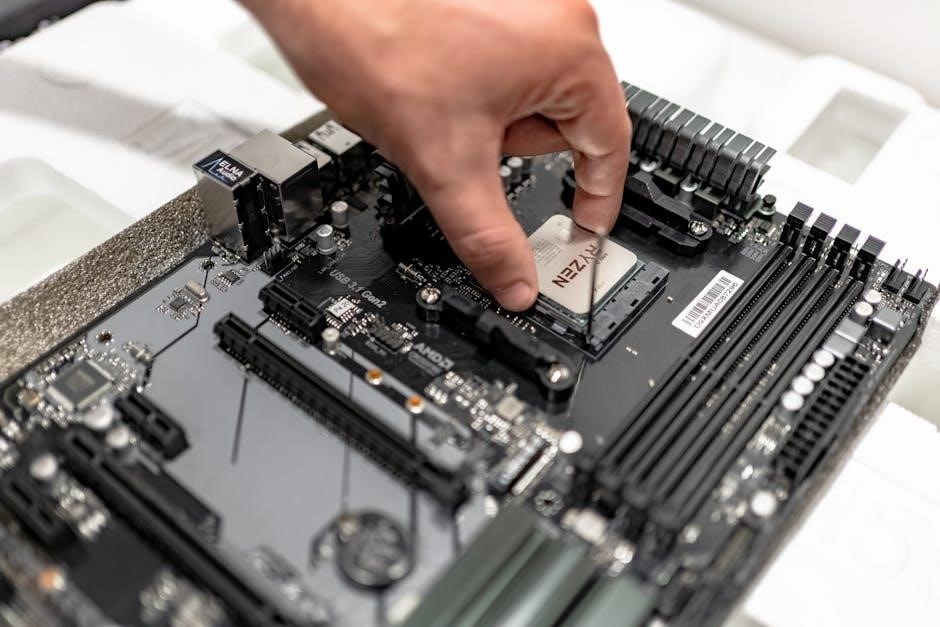
Maintain sufficient clearance around the transmitter for easy access for maintenance and wiring. Avoid mounting the transmitter near strong sources of electromagnetic interference (EMI), which could affect signal quality. Follow the recommended mounting orientation specified in the XNX Technical Manual (1998M0738) to ensure optimal performance and longevity of the device.

Wiring and Electrical Connections
Careful wiring and secure electrical connections are paramount for reliable XNX Universal Transmitter operation. Always adhere to local electrical codes and safety regulations during installation. Utilize appropriately sized wiring to minimize voltage drop and ensure sufficient current carrying capacity. Double-check all connections for tightness and proper polarity before applying power.
Pay close attention to grounding requirements to prevent noise and interference. Consider using shielded cables for sensitive signal lines. When installing the optional relay board, follow the specific instructions provided in the installation guide to guarantee correct functionality and avoid damaging the transmitter or connected devices. Refer to the technical manual (1998M0738) for detailed wiring diagrams.
7.1 Relay Board Installation
The optional relay board expands the XNX Universal Transmitter’s capabilities, enabling direct control of external devices. Installation requires meticulous attention to detail to ensure proper operation and prevent damage. Begin by verifying the transmitter is de-energized before attempting any wiring. Carefully align the relay board with the designated connector on the transmitter, ensuring a secure and complete connection.

Refer to the XNX Technical Manual (1998M0738) for specific wiring diagrams detailing relay contact assignments. Incorrect wiring can lead to malfunction or damage. Securely fasten the relay board to the mounting location, protecting it from vibration and environmental factors. After installation, thoroughly inspect all connections before applying power and testing functionality.
Sensor Compatibility & Configuration
The XNX Universal Transmitter boasts broad sensor compatibility, supporting various technologies for diverse applications. Proper configuration is crucial for accurate readings and reliable system performance. Before connecting sensors, consult the XNX Technical Manual (1998M0738) to verify compatibility and understand specific configuration parameters;
Configuration typically involves setting sensor type, range, and engineering units within the transmitter’s interface. Pay close attention to wiring requirements, ensuring correct polarity and signal connections. Calibration may be necessary to optimize sensor accuracy. Regularly check sensor performance and recalibrate as needed to maintain data integrity. The Resource CD (1998-0748) provides detailed guidance on sensor integration;
Powering Up the Transmitter
Before applying power, double-check all wiring connections to prevent damage to the XNX Universal Transmitter. Ensure the power supply voltage matches the transmitter’s specifications, typically indicated on the device’s label. A stable and clean power source is essential for reliable operation.
Once connections are verified, apply power to the transmitter. Observe the indicator lights for proper startup sequence, referencing the XNX Technical Manual (1998M0738) for expected behavior. If the transmitter fails to power on, immediately disconnect power and review wiring and power supply. Initial power-up may initiate a self-test sequence. Allow the transmitter to stabilize before proceeding with configuration.

Initial Configuration & Setup
After powering up, the XNX Universal Transmitter requires initial configuration for optimal performance. Access the transmitter’s configuration interface, typically through a connected computer and appropriate communication protocol. Refer to the XNX Technical Manual (1998M0738) for detailed instructions on accessing and navigating the configuration menus.
Configure essential parameters such as sensor type, measurement range, and communication settings. Ensure these settings accurately reflect the connected sensor and desired system integration. Calibrate the transmitter according to the sensor’s specifications to guarantee accurate readings. Save the configuration settings and verify proper operation before integrating into the larger system.
Communication Protocols & Interface
The XNX Universal Transmitter supports a variety of communication protocols for seamless integration into diverse control systems. Common interfaces include HART, Foundation Fieldbus, and Modbus, enabling compatibility with existing infrastructure. The selection of the appropriate protocol depends on system requirements and network architecture.
Configuration of the communication interface is crucial for reliable data transmission. Parameters such as baud rate, parity, and address must be correctly set to establish a stable connection. Refer to the XNX Technical Manual (1998M0738) for detailed guidance on configuring each protocol. Proper interface setup ensures accurate and timely data delivery to the control system.
Troubleshooting Common Issues
Addressing issues promptly ensures optimal performance of the XNX Universal Transmitter. Common problems include communication failures, sensor reading errors, and power supply irregularities. Verify wiring connections and power source stability as initial steps. Check communication protocol settings and confirm compatibility with the control system.
If sensor readings are inaccurate, inspect the sensor itself and its wiring. Calibration may be necessary to ensure precise measurements. Refer to the XNX Technical Manual (1998M0738) for detailed troubleshooting procedures and error code definitions. Systematic diagnosis and adherence to recommended solutions will restore functionality and minimize downtime.
Maintenance & Calibration
Regular maintenance is crucial for the longevity and accuracy of the XNX Universal Transmitter. Periodic inspection of wiring, connections, and the transmitter housing is recommended. Clean the unit to prevent dust and debris accumulation, which can affect performance. Calibration should be performed at scheduled intervals, or whenever significant drift in sensor readings is observed.
Refer to the XNX Technical Manual (1998M0738) for specific calibration procedures for each sensor type. Proper calibration ensures reliable data and accurate process control. Document all maintenance and calibration activities for traceability and quality assurance. Following these guidelines will maximize the transmitter’s operational lifespan and maintain optimal functionality.
Understanding the Resource CD (1998-0748)
The XNX Universal Transmitter Resource CD (Honeywell part number 1998-0748) is a vital component for successful installation and operation. It contains comprehensive documentation exceeding the scope of the Quick Start Guide. Key documents include the detailed XNX Technical Manual (1998M0738), providing in-depth information on all aspects of the transmitter.

This CD serves as a central repository for manuals, guides, and supporting materials. Users should consult the CD before installation or commissioning to ensure a thorough understanding of the system. Accessing these resources will facilitate proper setup, troubleshooting, and long-term maintenance, maximizing the transmitter’s performance and reliability.
14.1 Accessing the XNX Technical Manual (1998M0738)
The XNX Technical Manual (1998M0738), a cornerstone resource, is readily available on the XNX Universal Transmitter Resource CD (1998-0748). Upon inserting the CD, navigate to the ‘Manuals’ directory. Locate and open the file designated ‘1998M0738.pdf’ to access the complete technical documentation.
This manual provides exhaustive details regarding the transmitter’s functionality, specifications, and operational procedures. It’s crucial for installers, maintenance personnel, and anyone requiring a comprehensive understanding of the XNX system. Thorough review of this document ensures correct installation, configuration, and troubleshooting, ultimately optimizing performance and longevity. Refer to it frequently during all phases of operation.
Operational Considerations
Consistent and reliable operation of the XNX Universal Transmitter hinges on adhering to best practices and understanding potential environmental factors. Regular monitoring of sensor readings is paramount, alongside periodic verification of wiring connections to prevent signal degradation. Ensure the transmitter is shielded from extreme temperatures, humidity, and corrosive substances.
Proper grounding and surge protection are vital for safeguarding against electrical disturbances. Implement a preventative maintenance schedule encompassing visual inspections, calibration checks, and firmware updates (as applicable). Familiarize personnel with alarm thresholds and response protocols. The XNX’s universal design offers flexibility, but optimal performance requires diligent oversight and proactive maintenance routines.
Regulatory Compliance Information
The XNX Universal Transmitter is designed to comply with a range of international regulatory standards, ensuring safe and reliable operation within specified parameters. These include adherence to electromagnetic compatibility (EMC) directives, minimizing interference with other electronic devices. Furthermore, the transmitter meets relevant safety certifications, demonstrating its construction and operation pose minimal risk to personnel and the environment.
Specific compliance details, including certifications and applicable standards, are fully documented within the XNX Technical Manual (1998M0738) available on the Resource CD (1998-0748). Users are responsible for verifying that the installation and operation of the XNX transmitter align with all local and national regulations pertaining to instrumentation and safety.
Contact Information & Support
For comprehensive support regarding the XNX Universal Transmitter, including technical assistance, troubleshooting, and order inquiries, please utilize the resources provided by Honeywell. Access to detailed documentation, such as the XNX Technical Manual (1998M0738), is readily available through the Resource CD (1998-0748) included with your purchase.
Additionally, Honeywell maintains a dedicated support website and a team of experienced engineers ready to assist with complex installations or operational challenges. Contact information for regional support centers, including phone numbers and email addresses, can be found within the product documentation and on the Honeywell website. Prompt and effective support ensures optimal performance and longevity of your XNX system.