Die Hard Battery Charger Instruction Manual, Article Plan
Welcome! This comprehensive guide details safe operation, setup, and troubleshooting for your Die Hard battery charger, ensuring optimal performance and longevity.
Die Hard battery chargers are renowned for their durability and reliability, providing a robust solution for maintaining and restoring a wide range of lead-acid batteries. Designed for both automotive and general-purpose use, these chargers offer a blend of power and intelligent charging technology.
Whether you’re a seasoned mechanic or a DIY enthusiast, a Die Hard charger can help extend the life of your batteries and ensure they’re always ready when you need them. This manual will guide you through the proper use of your charger, covering everything from initial setup to advanced troubleshooting.
Understanding the features and capabilities of your specific Die Hard model is crucial for maximizing its benefits. We’ll explore different charging modes, safety precautions, and maintenance procedures to help you achieve optimal results and keep your batteries performing at their best for years to come.
Safety Precautions
Prioritizing safety is paramount when working with battery chargers and batteries. Batteries contain corrosive acid and can produce explosive gases during charging. Always work in a well-ventilated area to prevent gas buildup. Wear appropriate personal protective equipment, including safety glasses and gloves, to shield against acid splashes and potential burns.
Never charge a damaged battery, as it may rupture or leak. Ensure the charger is disconnected from the power source before making any connections or disconnections to the battery. Avoid short-circuiting the battery terminals, which can cause severe damage and potential fire hazards.
This charger is intended for charging lead-acid, AGM, and Gel batteries only. Using it with other battery types could result in damage or injury. Read and understand all instructions before operating the charger.
General Safety Rules
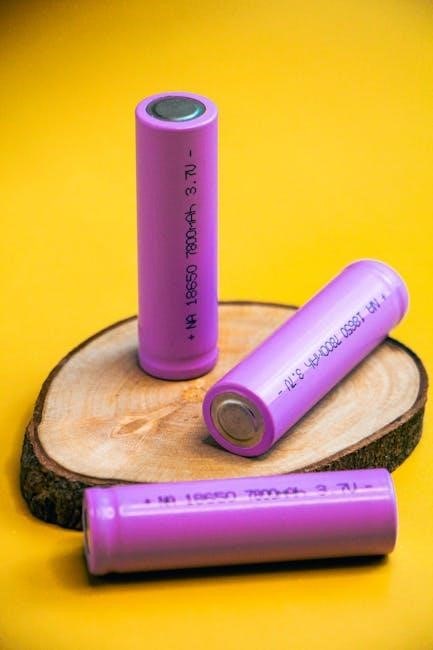
Always inspect the charger’s cord and plug for damage before each use; do not operate if damaged. Ensure a properly grounded outlet is used, and avoid using extension cords whenever possible. If an extension cord is necessary, it must be of sufficient gauge to handle the charger’s amperage.
Keep the charger dry and protected from the elements. Do not operate the charger in flammable environments or near combustible materials. Never leave a charging battery unattended for extended periods. Regularly check the battery for overheating or any signs of damage during the charging process.
This charger is not intended for use by children. Store the charger in a secure location, out of reach of children. Disconnect the charger from the power source when not in use.
Battery Acid Hazards
Battery acid is a corrosive substance and can cause severe burns upon contact with skin, eyes, or clothing. Always wear appropriate personal protective equipment (PPE), including safety glasses and acid-resistant gloves, when working near batteries.
If battery acid comes into contact with skin, immediately flush the affected area with copious amounts of water for at least 15 minutes and seek medical attention. For eye contact, immediately flush with water for 20 minutes and consult a physician.
Neutralize any acid spills with baking soda and water. Avoid breathing fumes released from batteries, as they can be harmful. Dispose of damaged or leaking batteries properly according to local regulations. Keep baking soda readily available in case of accidental spills.
Electrical Shock Prevention
Working with electricity and batteries presents a risk of electrical shock. Always ensure the charger is properly grounded and connected to a functioning electrical outlet. Never operate the charger with damaged cords or plugs – replace them immediately.
Avoid using the charger in wet or damp environments. Do not disassemble the charger casing, as this could expose live electrical components. Before connecting or disconnecting the charger to a battery, ensure the charger is switched off.
Never touch the charger’s terminals or battery terminals while the charger is operating. Keep children and unauthorized personnel away from the charging area. If the charger malfunctions or exhibits signs of damage, disconnect it from the power source and seek professional repair.
Understanding Your Die Hard Charger Model
Familiarizing yourself with your specific Die Hard charger model is crucial for safe and effective operation. Locate the model number, typically found on a label affixed to the charger’s casing. This number is essential when seeking support or replacement parts.
Take time to identify all the charger’s components: the AC power cord, DC output clamps (red positive, black negative), any control knobs or buttons, and the indicator lights. Understand the function of each component before proceeding.
Refer to the detailed diagrams included in this manual to pinpoint the location of these features on your model. Different Die Hard chargers offer varying functionalities; knowing your model’s capabilities ensures optimal battery charging.
Identifying Charger Features
Die Hard battery chargers boast several key features designed for user convenience and battery health. The AC power cord provides the energy source, connecting to a standard wall outlet. DC output clamps – red for positive (+) and black for negative (-) – securely attach to the battery terminals.
Control knobs regulate charging rates (amps) and voltage, while mode selector switches allow you to choose between standard, fast, or maintenance charging. Indicator lights display charging status: power on, charging, fully charged, or error conditions.
Some models include a digital display showing voltage and amperage readings for precise monitoring. A built-in ammeter visually indicates the charging current. Familiarize yourself with each feature’s location and function before operation for optimal results.
Model-Specific Differences (2V, 6V, 12V, etc.)
Die Hard chargers cater to diverse battery needs, offering models supporting 2V, 6V, and 12V systems. 2V chargers are typically for specialized applications like vintage car batteries. 6V chargers are common for older motorcycles and some classic vehicles.
The most prevalent are 12V chargers, compatible with most automotive, marine, and recreational vehicle batteries. Crucially, using the incorrect voltage can severely damage your battery or the charger itself. Always verify your battery’s voltage before connecting.
Higher amperage models charge batteries faster but may not be suitable for smaller batteries. Some chargers are multi-voltage, automatically detecting and adjusting to the battery’s needs. Refer to your charger’s specifications to confirm compatibility and optimal settings.
Battery Types & Compatibility
Die Hard battery chargers are designed primarily for lead-acid batteries, encompassing flooded (wet cell), absorbent glass mat (AGM), and gel cell types. AGM batteries are increasingly popular due to their spill-proof design and vibration resistance, while gel batteries offer similar benefits with even lower maintenance.
Most Die Hard chargers feature settings to optimize charging for each of these lead-acid variations. Selecting the correct setting is vital for maximizing battery life and performance. Improper settings can lead to undercharging or overcharging, both detrimental to battery health.
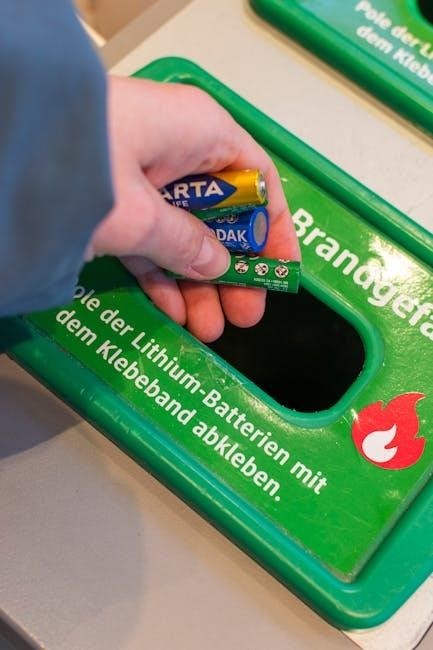
However, these chargers are generally NOT compatible with lithium-ion batteries or other non-lead-acid chemistries. Attempting to charge such batteries can pose a serious safety risk, potentially causing fire or explosion. Always confirm battery compatibility before connecting to the charger.
Compatible Battery Chemistries (Lead-Acid, AGM, Gel)
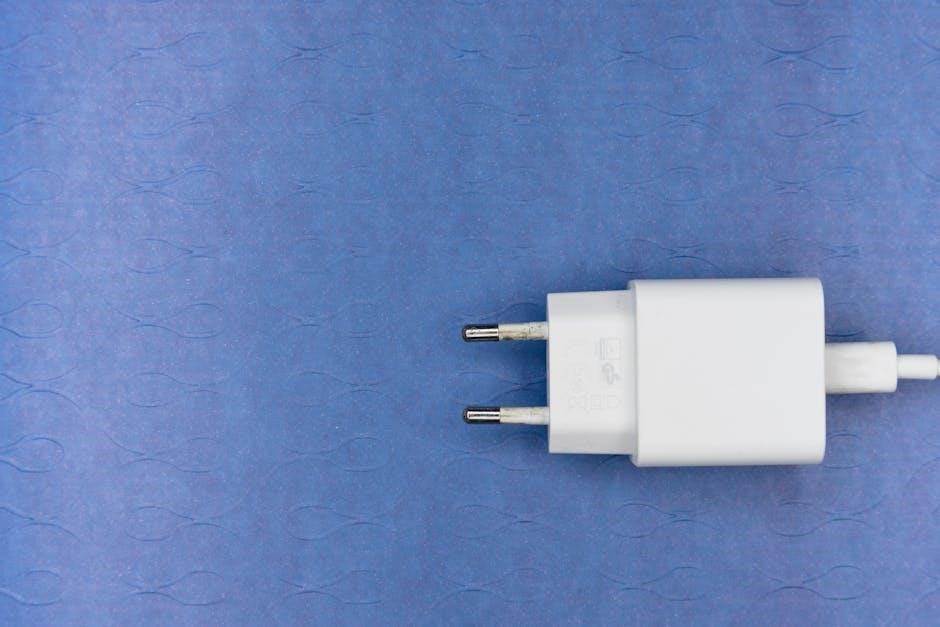
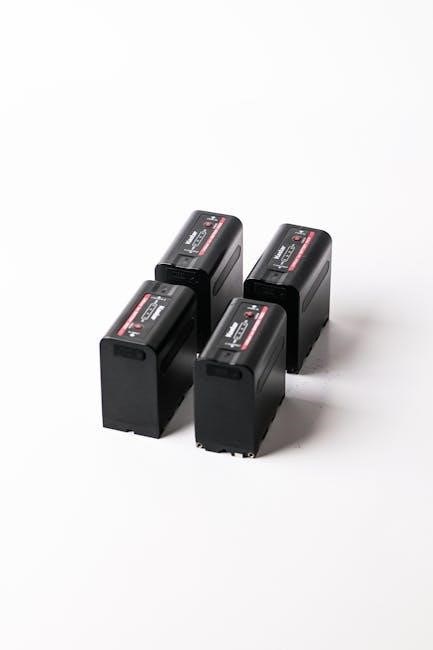
Die Hard chargers excel at maintaining and restoring lead-acid batteries, including the three primary types: Flooded (Wet Cell), Absorbent Glass Mat (AGM), and Gel. Flooded lead-acid batteries are the traditional type, requiring periodic water level checks. AGM batteries utilize a fiberglass mat to hold electrolyte, making them spill-proof and ideal for various applications.
Gel batteries employ a gelled electrolyte, offering similar advantages to AGM with enhanced vibration resistance. Die Hard chargers often include specific modes tailored to each chemistry. The AGM mode typically employs a higher voltage during absorption, while the Gel mode uses a lower voltage to prevent gassing.
Always consult your battery’s specifications to determine the correct charging profile. Using the appropriate setting ensures optimal charging, extends battery lifespan, and prevents damage. Incorrect settings can significantly reduce battery capacity and overall performance.
Batteries NOT Compatible with the Charger
This Die Hard battery charger is specifically designed for lead-acid, AGM, and Gel batteries. It is crucially important NOT to use it with other battery chemistries, such as Lithium-ion (Li-ion), Lithium Polymer (LiPo), or Nickel-Metal Hydride (NiMH). Attempting to charge these battery types with this charger can result in severe damage to the battery, the charger, and potentially cause a fire or explosion.
Lithium-based batteries require specialized chargers with precise voltage and current control algorithms. Using a lead-acid charger can lead to overcharging, thermal runaway, and hazardous situations. NiMH batteries also have different charging requirements and are not compatible.
Always verify the battery type before connecting it to the charger. Refer to the battery’s label or documentation. Using an incompatible battery voids the charger’s warranty and poses a significant safety risk.
Setting Up the Charger
Before commencing the charging process, proper setup is essential for both safety and optimal performance. First, Connecting to a Power Source requires a grounded 120V AC outlet. Ensure the outlet is easily accessible and free from obstructions. Inspect the power cord for any damage before plugging it in.
Next, Preparing the Battery for Charging involves a visual inspection. Check for cracks, leaks, or corrosion. Clean any corrosion with a baking soda and water solution. Ensure the battery is in a well-ventilated area, away from flammable materials. Remove any metallic objects from the battery’s vicinity.
Proper ventilation is crucial during charging, as batteries release potentially explosive gases. Confirm correct polarity before connecting the clamps – red to positive (+), black to negative (-).
Connecting to a Power Source
Establishing a secure connection to a power source is the initial step in utilizing your Die Hard battery charger. Locate a standard 120V AC outlet, ensuring it’s properly grounded. Avoid using extension cords whenever possible; if one is necessary, it must be a heavy-duty cord rated for at least the charger’s amperage draw.
Before plugging in, carefully inspect the charger’s power cord for any signs of damage – cuts, fraying, or exposed wires. Do not use the charger if the cord is damaged. Insert the plug firmly into the outlet. A loose connection can cause sparking and potential fire hazards.
Confirm the outlet is functioning correctly by testing it with another device. Ensure the area around the outlet is dry and free from obstructions.
Preparing the Battery for Charging
Prior to connecting your Die Hard charger, proper battery preparation is crucial for safe and effective charging. First, visually inspect the battery for any cracks or leaks. Do not attempt to charge a damaged battery. Ensure the battery is in a well-ventilated area, as charging can release flammable gases.
Clean the battery terminals with a wire brush or a specialized battery terminal cleaner to remove corrosion. This ensures a good electrical connection. If the battery has removable vent caps, check the electrolyte level; if low, carefully add distilled water only, to the indicated level.
Disconnect the battery from the vehicle or device it powers. This prevents potential damage during the charging process. Finally, confirm the battery voltage matches the charger’s capabilities.
Charging Procedures — Step-by-Step
Follow these steps for safe and efficient battery charging with your Die Hard charger. First, connect the positive (red) clamp to the positive terminal of the battery, and the negative (black) clamp to the negative terminal. Ensure a secure connection.
Plug the charger into a grounded AC outlet. Select the appropriate charging mode – Standard, Fast (if available), or Trickle – based on your battery’s condition and type (refer to the ‘Battery Types’ section). Initiate the charging process by pressing the ‘Start’ button, if applicable.
Monitor the charging process using the indicator lights (see ‘Monitoring the Charging Process’). Do not exceed the maximum charging time recommended for your battery type. Once charging is complete, disconnect the charger from the AC outlet before removing the clamps.
Standard Charging Mode Instructions
The Standard Charging Mode is ideal for deeply discharged or moderately depleted lead-acid, AGM, and Gel batteries. This mode provides a controlled and consistent charge, minimizing the risk of overcharging and maximizing battery lifespan.
After connecting the clamps and plugging in the charger, select the ‘Standard’ charge setting. The charger will initially deliver a higher amperage to quickly restore some capacity, then automatically reduce the current as the battery nears full charge. Charging times vary depending on the battery’s size and discharge level – typically 12-24 hours for a full charge.
Monitor the voltage reading (if your model has one); it should not exceed 14.8V for a 12V battery. The charger’s indicator light will typically change color or turn off when the battery is fully charged.
Fast Charging Mode (If Applicable) — Warnings!
The Fast Charging Mode significantly reduces charging time, but requires careful attention and is not suitable for all batteries. Use this mode only for lead-acid batteries that are not severely discharged – ideally, those at least 50% charged. Never use Fast Charge on AGM or Gel batteries, as it can cause irreversible damage and potentially lead to battery failure or even a hazardous situation.
Select the ‘Fast’ charge setting after proper connection. The charger will deliver a higher amperage, rapidly increasing the battery’s charge level. Monitor the battery closely! Overheating is a significant risk. If the battery becomes excessively warm to the touch, immediately switch to Standard Charging Mode.
Do not leave a battery unattended while Fast Charging. Charging times are typically 3-6 hours, but constant monitoring is crucial.
Trickle Charging/Maintenance Mode Instructions
Trickle Charging, or Maintenance Mode, is designed to keep a fully charged battery at its optimal voltage level over extended periods of inactivity. This prevents sulfation, a common cause of battery degradation. After a full charge cycle using Standard or Fast Charging (if applicable), many Die Hard chargers automatically transition to Maintenance Mode.
If your charger has a dedicated ‘Maintenance’ or ‘Trickle’ setting, select it after the battery reaches full charge. The charger will deliver a very low amperage, just enough to offset the battery’s natural self-discharge rate. It is safe to leave the charger connected indefinitely in this mode, providing continuous maintenance.
Regularly check the connections to ensure they remain secure. This mode is ideal for seasonal use vehicles or batteries used infrequently.
Monitoring the Charging Process
Effectively monitoring your battery’s charging progress is crucial for optimal results and preventing damage. Die Hard chargers utilize indicator lights to communicate the charging status. Typically, a ‘Charging’ light illuminates during the active charging phase, changing to ‘Full’ or ‘Maintenance’ when complete. Refer to your specific model’s legend for precise light interpretations.
Some advanced Die Hard chargers feature digital displays showing voltage and amperage readings. Voltage indicates the battery’s electrical potential, while amperage reflects the charging current. Observing these values helps determine charging efficiency and identify potential issues. A steadily decreasing amperage with a rising voltage signifies a nearing full charge.
Regularly check the battery terminals for excessive heat, which could indicate a problem.
Understanding Charger Indicator Lights
Die Hard battery chargers employ a system of indicator lights to clearly communicate the charging process’s current stage; The most common lights include ‘Power,’ ‘Charging,’ ‘Full,’ and sometimes ‘Error’ or ‘Reverse Polarity.’ The ‘Power’ light confirms the charger is receiving electricity from the outlet.
The ‘Charging’ light illuminates when the charger is actively delivering current to the battery. Its presence indicates the charging cycle is underway. Once the battery reaches full capacity, the ‘Charging’ light typically switches to ‘Full’ (often green), signaling completion.
An ‘Error’ light suggests a problem, such as a reversed connection or a faulty battery. Always consult the troubleshooting section if an error light appears. Specific models may have additional lights; always refer to your charger’s manual for a detailed explanation of each indicator.
Voltage and Amperage Readings (If Applicable)
Some Die Hard battery charger models feature digital displays providing real-time voltage and amperage readings. Voltage indicates the battery’s electrical potential, while amperage shows the current flow during charging. Monitoring these values offers insight into the battery’s condition and charging progress.
Initially, amperage will be higher as the charger delivers a substantial current to replenish the battery’s charge. As the battery nears full capacity, the amperage will gradually decrease. Voltage will steadily rise, approaching the battery’s nominal voltage (e.g., 12V).
These readings can help diagnose battery issues. A consistently low voltage, even after charging, suggests a failing battery. Abnormally high amperage could indicate a short circuit. Refer to your battery’s specifications for expected voltage and amperage ranges.
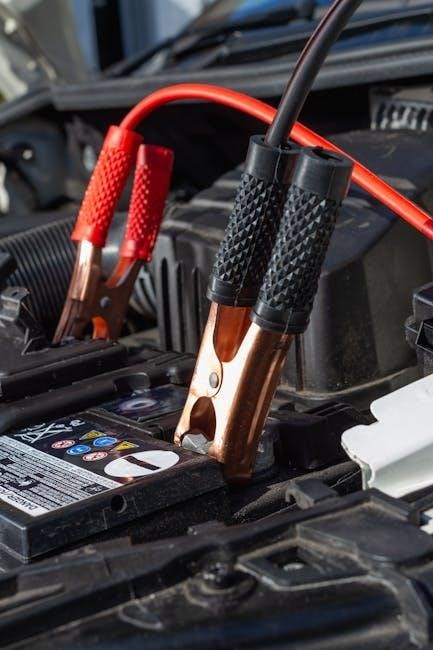
Troubleshooting Common Issues
Encountering problems with your Die Hard charger? Here’s a guide to resolving frequent issues. If the charger fails to power on, verify the AC power cord is securely connected to a working outlet and check the charger’s fuse. For a battery not charging, ensure correct polarity (red to positive, black to negative) and confirm the battery isn’t severely sulfated or damaged.
Overheating often indicates insufficient ventilation or a faulty charger. Disconnect immediately and allow it to cool. If overheating persists, discontinue use. If the charger displays an error code, consult the model-specific section of this manual for its meaning and recommended action.
Always disconnect the battery before troubleshooting. If issues remain unresolved, contact Die Hard customer support for assistance.
Charger Not Turning On
If your Die Hard battery charger isn’t powering on, begin with the simplest checks. First, ensure the power cord is firmly plugged into both the charger and a known working electrical outlet. Test the outlet with another device to confirm it’s supplying power. Next, inspect the charger’s fuse – a blown fuse is a common culprit. Refer to your model’s diagram to locate and replace the fuse with one of the correct amperage.
Check the on/off switch to ensure it’s in the ‘on’ position. Some models have a reset button; try pressing it. If the unit still doesn’t activate, there might be an internal fault. Do not attempt to disassemble the charger yourself; this will void the warranty and could be dangerous.
Contact Die Hard customer support for further assistance and potential repair options.
Battery Not Charging
If the charger powers on but the battery isn’t receiving a charge, several factors could be at play. First, double-check the polarity of the connections – red clamp to positive (+) and black clamp to negative (-). Reversed polarity can prevent charging and potentially damage the battery or charger. Ensure the clamps have a clean, secure connection to the battery terminals; corrosion can impede the flow of electricity.
Verify the battery is compatible with your Die Hard charger (see the ‘Battery Types & Compatibility’ section). A severely discharged or sulfated battery may not accept a charge. Try a different battery to rule out a battery-specific issue. If another battery charges correctly, the original battery likely needs replacement.
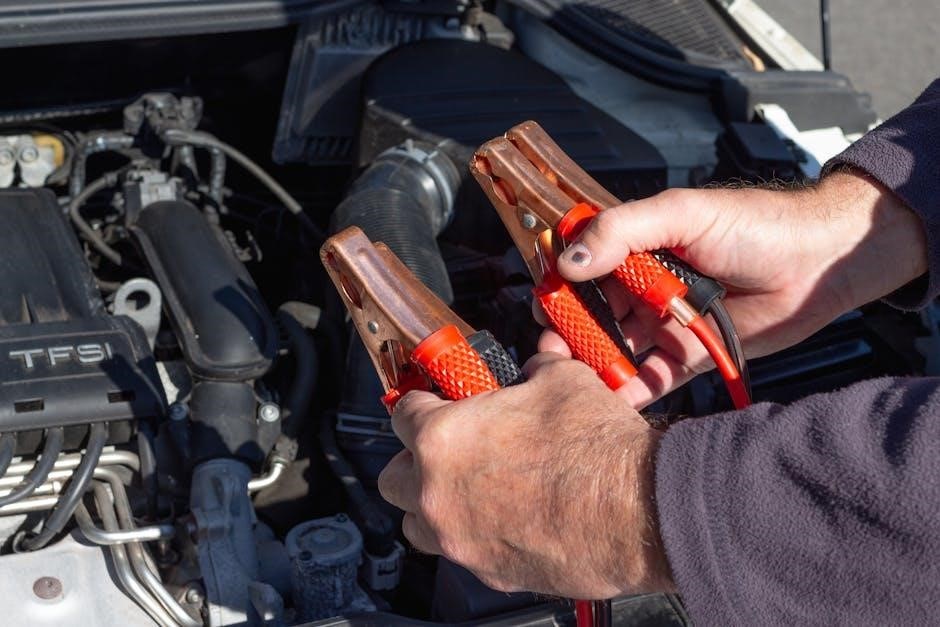
Consult the ‘Troubleshooting’ section for voltage readings and indicator light interpretations.
Overheating Issues
If your Die Hard charger becomes excessively hot during operation, immediately disconnect it from both the battery and the power source. Overheating indicates a potential malfunction and poses a safety risk. Do not attempt to continue charging until the cause is identified and resolved.
Poor ventilation is a common cause; ensure the charger is placed in a well-ventilated area, away from flammable materials. Check the charger’s cooling vents for obstructions like dust or debris and carefully clean them. A failing internal component, such as a transformer or diode, can also generate excessive heat.
Do not operate the charger continuously for extended periods. If overheating persists after addressing ventilation and cleaning, discontinue use and contact customer support for assistance. Attempting to repair the charger yourself could void the warranty and create a hazardous situation.
Maintenance and Storage
Regular maintenance ensures your Die Hard charger’s longevity and optimal performance. After each use, disconnect the charger from both the power source and the battery. Inspect the charging cables for any signs of damage – cracks, fraying, or exposed wires – and replace them if necessary. A damaged cable presents a serious electrical hazard.
Keep the charger’s exterior clean by wiping it down with a damp cloth. Avoid using harsh chemicals or abrasive cleaners. For storage, choose a cool, dry location, protected from extreme temperatures and humidity. Coil the charging cables neatly to prevent tangling and damage.
Before long-term storage, ensure the charger is completely dry. Periodically check the stored charger (every few months) for any signs of corrosion or deterioration. Proper storage extends the charger’s lifespan and ensures it’s ready when you need it.
Cleaning the Charger
Maintaining a clean Die Hard battery charger is crucial for safe and efficient operation. Always disconnect the charger from both the power outlet and the battery before commencing any cleaning procedures. This prevents accidental shock or short circuits.
Use a slightly damp cloth to wipe down the charger’s exterior casing. Avoid getting moisture inside the unit. For stubborn dirt or grime, a mild soap solution can be used, but ensure it’s thoroughly rinsed off with a clean, damp cloth afterwards. Never submerge the charger in water or any other liquid.
Pay particular attention to the charging clamps, removing any corrosion or buildup with a wire brush or sandpaper. Ensure the clamps are clean and free of debris for optimal contact with the battery terminals. Avoid using abrasive cleaners that could damage the charger’s finish or internal components.
Proper Storage Procedures
When storing your Die Hard battery charger for extended periods, proper preparation is essential to maintain its functionality and lifespan. First, ensure the charger is completely clean and dry, following the cleaning instructions outlined previously.
Disconnect the charger from the power source and remove any battery cables that may be attached. Coil the cables neatly and secure them with a cable tie or Velcro strap to prevent tangling. Store the charger in a cool, dry environment, away from direct sunlight, extreme temperatures, and moisture.
Ideally, store the charger in its original packaging or a protective case. Avoid placing heavy objects on top of the charger during storage. Periodically check the charger during long-term storage to ensure no corrosion or damage has occurred.
Warranty Information & Support
Your Die Hard battery charger is backed by a manufacturer’s warranty against defects in materials and workmanship. The standard warranty period is one year from the date of original purchase, but may vary depending on the specific model. Please retain your proof of purchase for warranty claims.
To initiate a warranty claim, contact Die Hard customer support through our website or by phone (details below). Do not attempt to repair the charger yourself, as this will void the warranty.
For technical support, frequently asked questions, and additional resources, please visit our website at [insert website address here]. You can also reach our customer support team by phone at [insert phone number here] during business hours. We are committed to providing excellent customer service and ensuring your satisfaction with your Die Hard product.