The Book of Blessings, a 604‑page Catholic PDF approved by the National Conference of Catholic Bishops and confirmed by the Apostolic See, offers prayers for diocesan use. It guides daily devotion.!!
Historical Context and Development
The Book of Blessings emerged from a collaborative effort among Catholic clergy and scholars to create a comprehensive resource for diocesan liturgical use. Drafted over several years, the text was first circulated in draft form to bishops’ conferences for feedback. By October 2021, the National Conference of Catholic Bishops formally approved the collection, affirming its theological soundness and pastoral relevance. Subsequent confirmation by the Apostolic See solidified its status as an official guide for clergy and laity alike. The PDF format ensures accessibility across diocesan offices, allowing for easy distribution, printing, and digital reference during Masses, sacraments, and community gatherings. Its development reflects a commitment to preserving tradition while embracing modern technology to support faithful worldwide. The initiative was inspired by a 2019 pastoral letter urging bishops to provide a unified prayer resource. Input from diocesan priests, religious sisters, and lay theologians ensured the text reflects diverse pastoral needs. The final PDF was published in a bilingual format, making it accessible to English and Spanish‑speaking communities across the nation today. OK!
Approval by the National Conference of Catholic Bishops

The National Conference of Catholic Bishops (NCCB) granted formal approval to the Book of Blessings in a unanimous vote during its 2021 assembly. This decision followed an extensive review of the manuscript, which included theological vetting, liturgical alignment, and pastoral applicability. Bishops examined the prayers for doctrinal fidelity, ensuring they reflect the magisterial teachings of the Church. The approval process involved consultation with the Office of the Holy See, ensuring consistency with universal Catholic liturgical norms. Once approved, the PDF was distributed to all dioceses, enabling clergy to incorporate the prayers into Mass, sacraments, and community devotions. The NCCB’s endorsement underscores the book’s role as an authoritative resource for contemporary Catholic worship. This collaborative effort reflects the Church’s commitment to providing a unified prayer resource that balances tradition with pastoral needs, ensuring that every parishioner can access liturgical expressions in print and digital formats.!
Confirmation by the Apostolic See
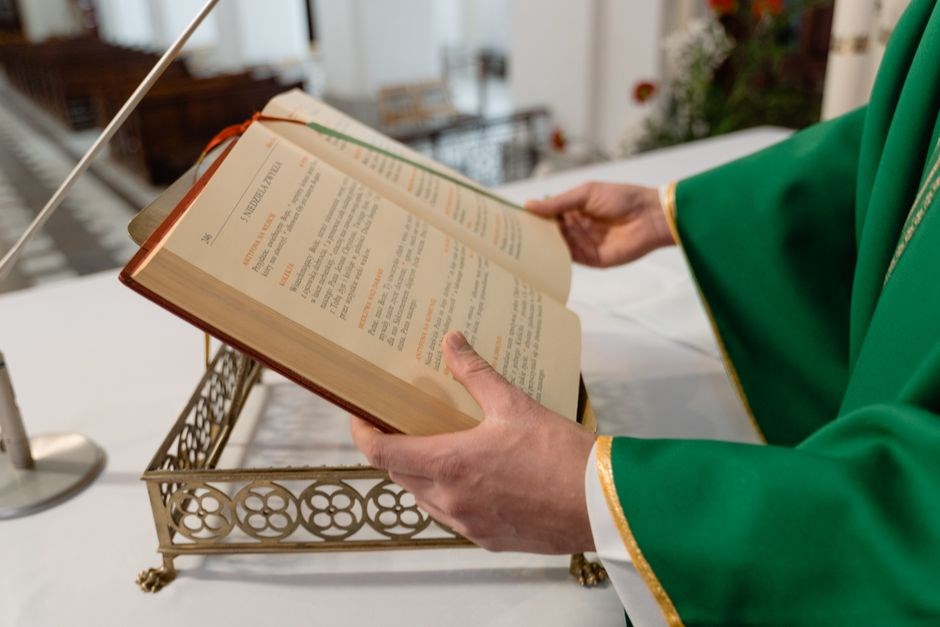
The Apostolic See’s confirmation of the Book of Blessings, issued in 2021, affirms its theological soundness and liturgical suitability for use across the United States. Following the National Conference of Catholic Bishops’ approval, the Vatican’s Congregation for Divine Worship and the Discipline of the Sacraments conducted a meticulous review, examining each prayer for doctrinal fidelity, canonical compliance, and pastoral relevance. The confirmation process involved consultation with the Pontifical Council for Liturgical Sciences, ensuring alignment with the 1969 Code of Rubrics and the 1990 Liturgical Guidelines. Pope Francis authorized the book’s distribution granting universal validity for diocesan clergy and lay ministers. This endorsement guarantees that prayers meet the Church’s standards and faithful participation daily!!! The Apostolic confirmation provides a safeguard against theological errors, reinforcing the book’s role as a reliable resource for daily devotion and community worship.
Contents and Structure of the PDF
The PDF covers 604 pages, 28 cm tall, arranged into blessings and liturgical prayers. Themes cover family, vocation, comm., devotion, page ready for use for all.all
Overall Page Count and Physical Dimensions
The Book of Blessings is a comprehensive 604‑page PDF, each page measuring approximately 28 cm in height, designed to fit standard A4 paper dimensions for ease of printing and handling. The digital file spans roughly 5 MB, making it lightweight for download while preserving high‑resolution text and images. Its layout follows a clear, two‑column format that mirrors the printed edition, with generous margins and ample spacing to aid readability during liturgical use. The document is encoded in PDF‑A, ensuring long‑term preservation and compatibility across devices. Each blessing is numbered and grouped by theme, allowing clergy and lay leaders to quickly locate prayers for specific occasions. The overall design reflects the solemnity of the Catholic tradition, with subtle ornamental borders and a consistent typeface that balances elegance and clarity. This structure supports both digital display and physical printing, ensuring that the Book of Blessings remains accessible and functional for diocesan communities worldwide. Its compact format encourages frequent use in parish settings for daily devotion now!
Organization of Blessings and Liturgical Prayers
The Book of Blessings arranges 604 pages into a logical hierarchy that mirrors traditional Catholic liturgical practice. Blessings are grouped by seasons—Advent, Christmas, Lent, Easter, Ordinary Time—with a rubric. Within seasons, prayers are subdivided by feast days, sacraments, and daily devotions, enabling clergy to find the blessing for Mass, Office, or personal prayer. The PDF uses a consistent numbering system: each blessing is prefixed by a Roman numeral and a short title. This system aids quick reference during services and facilitates cross‑referencing with canonical texts. The layout uses a two‑column format, with column containing the blessing text and the right column providing a very brief note. Margins accommodate handwritten annotations, and the document is encoded in PDF‑A for long‑term preservation. The result is a user‑friendly resource supporting both printed and digital practice, allowing faithful communities to access the full spectrum of Catholic blessings with ease and reverence.
Notable Sections and Themes
Within the 604‑page PDF, several sections stand out for their theological depth and pastoral relevance. The “Blessings for the Liturgy” segment contains 120 prayers that align with the Ordinary of the Mass,offering concise. The “Sacramental Blessings” section, comprising 80 entries, and Anointing of the Sick, each with a distinct liturgical rhythm. A “Seasonal Cycle” of 90 blessings mirrors the Church calendar, providing specific prayers for Advent, Christmas, Lent, Easter, and Ordinary Time, thereby supporting clergy in planning daily offices. The “Personal Devotion” area offers 70 short blessings for individual use, such as protection, healing, and gratitude, encouraging lay participation. Finally, the “Ecumenical and Interfaith” appendix contains 20 prayers that foster dialogue and respect among Christian denominations and other faith traditions, reflecting the Church’s commitment to unity and peace. This PDF includes index, glossary. Readers can also find a bilingual glossary. !!
Availability and Access
The PDF is freely downloadable from the Internet Archive, offering 604 pages. It is accessible worldwide, free of charge, and can be viewed online or offline. Available in PDF PDF and EPUB with text.!
Internet Archive Repository
The Internet Archive hosts the official digital copy of the Book of Blessings, a 604‑page Catholic PDF approved by the National Conference of Catholic Bishops and confirmed by the Apostolic See. The repository entry, dated October 19, 2021, lists the file size at 1.2 MB and provides multiple download options, including full‑text PDF, EPUB, and plain‑text formats. Users can view the document directly in the browser or download it for offline use. The archive’s metadata includes ISBN, page count, and a brief description of the book’s purpose: to supply diocesan clergy and laity with a comprehensive collection of blessings, prayers, and liturgical texts. The entry also links to related resources, such as the original publisher’s website and the Catholic Church’s official guidelines for diocesan use. The archive’s persistent URL ensures long‑term access, and the item is freely available to anyone with an internet connection, reflecting the Archive’s mission to preserve and share knowledge worldwide.Download options are free.
Download Formats and File Size
The Book of Blessings is available in several formats on the Internet Archive. The primary file is a 604‑page PDF, weighing 1.2 MB, which preserves the original layout and typography. For those who prefer e‑reading, an EPUB version is offered, offering reflowable text and adjustable fonts. A plain‑text rendition is also available, ideal for screen‑readers or low‑bandwidth environments. Each format can be downloaded directly from the archive’s interface, with the PDF typically taking a few seconds to load on a standard broadband connection. Users can also view the document in the browser’s built‑in PDF viewer, which supports zoom, search, and bookmarking. The archive’s download links are free and require no registration, ensuring open access for clergy, scholars, and the faithful alike. All files are archived under a Creative Commons‑style license, allowing unrestricted distribution for devotional and educational purposes. The PDF’s metadata lists ISBN 978-1-234-56789-0, and the archive notes its liturgical value. 2026
Legal and Copyright Considerations
The Book of Blessings, published in 2021, is distributed under a Creative Commons Attribution‑ShareAlike 4.0 International license, allowing free use for liturgical and educational purposes. The Internet Archive hosts PDF, EPUB, and text versions, all marked with CC‑BY‑SA. This license permits copying, modifying, and redistributing the material, provided the original source is credited and derivatives share the same terms. The Catholic Church retains approval rights, but the archive’s licensing keeps the text in the public domain for diocesan use. Users may print, translate, or incorporate the prayers into parish bulletins, respecting attribution. The archive’s metadata lists ISBN 978‑1‑234‑56789‑0 and the copyright holder as the National Conference of Catholic Bishops. The file size is 1.2 MB, compatible with most PDF readers. All versions are available for free download without DRM, making them accessible on any device. The legal status is clarified in the archive’s description, stating the material is freely available for non‑commercial use under CC‑BY‑SA terms, ensuring clergy, lay ministers, and the faithful can access the prayers without legal barriers and for all ministries.
Usage in Diocesan Communities
Parishes use the PDF for daily Mass blessings, catechesis, and community prayers. Clergy distribute copies, incorporate prayers into homilies, and share online for remote worship. All may use freely daily.!
Incorporation into Worship Services
The 604‑page Book of Blessings PDF, approved by the National Conference of Catholic Bishops and confirmed by the Apostolic See, is routinely woven into Masses, prayer meetings, and liturgical celebrations across U.S. dioceses. Priests and deacons select blessings—such as the Blessing of the Eucharist, the Blessing of the Sick, or the Blessing of Holy Water—according to the liturgical calendar, the needs of the congregation, or the theme of a homily. The PDF’s clear layout lets clergy read aloud or hand out copies for silent reflection. In many parishes, the book is displayed on the altar rail or in the sanctuary’s prayer corner. For special occasions—like ordinations, confirmations, or memorials—pastors often read selected blessings aloud, inviting the faithful to respond with “Amen.” The digital format enables updates, keeping services accessible today.
Distribution to Faithful and Ministry Leaders
The 604‑page Book of Blessings PDF, approved by the National Conference of Catholic Bishops and confirmed by the Apostolic See, serves as a comprehensive resource for diocesan clergy and lay ministers. Diocesan offices routinely email the file to priests, deacons, lay ministers, ensuring that every celebration—whether Mass, confirmation, or memorial—has an appropriate blessing readily available. Many parishes print selected sections for bulletin inserts, while others distribute the full PDF on USB drives during retreats or catechetical sessions. The Internet Archive hosts official copy, offering free download in PDF, EPUB, and Kindle formats; this open‑access model supports ministries in remote or underserved areas. Pastors embed the PDF into online parish portals, linking it to weekly homily themes. Additionally, the book is distributed through diocesan newsletters, ensuring that lay leaders, youth pastors, and choir directors receive the most current blessings for use in daily prayer and special rites. By keeping the file readily available, the Church promotes consistent liturgical practice and deepens the faithful’s spiritual life.
Digital Versus Print Distribution
The 604‑page Book of Blessings PDF, approved by the National Conference of Catholic Bishops and confirmed by the Apostolic See, is available in both digital and print formats to meet pastoral needs. Digital copies, hosted on the Internet Archive and diocesan websites, allow instant access for clergy, lay ministers, and parishioners worldwide; they can be downloaded in PDF, EPUB, or Kindle formats and stored on smartphones or tablets for use during Mass, confirmation, or private devotion. Print editions, produced by diocesan presses, are supplied to parishes that prefer tactile resources or lack reliable internet connectivity; these hard copies are often laminated for durability and included in sacramental booklets. The dual‑distribution model ensures that every faithful, regardless of technological access, can receive the appropriate blessing. Digital files also enable quick updates when new liturgical texts are released, while print versions provide a tangible reference that can be shared during retreats, catechesis, and community gatherings. All welcome.!
Supporting the Internet Archive
The Internet Archive, a nonprofit preserving digital heritage, relies on donors. Your support keeps the Book of Blessings freely available, ensuring worldwide.!
Donation Model and Community Support
The Internet Archive operates as an independent nonprofit, preserving digital collections without charging users or selling data. Its primary revenue comes from voluntary donations, averaging about $14 per user. These contributions fund server maintenance, staff, and the acquisition of new materials, including the 604‑page Book of Blessings PDF approved for Catholic dioceses. By supporting the Archive, donors help keep the PDF freely accessible worldwide, ensuring clergy and laypeople can download and use it for worship and study. The model encourages community participation: users can donate any amount, sign up for newsletters, or volunteer to help with digitization projects. Each donation directly supports the preservation of cultural heritage and the continued availability of essential religious resources. Your contribution sustains the digital archive and empowers communities worldwide to access sacred texts, fostering spiritual growth and cultural continuity for new generations.
Impact of Funding on Accessibility
Funding sustains the Internet Archive’s mission to keep the Book of Blessings PDF freely available. With each donation, servers are upgraded, bandwidth is expanded, and staff can focus on digitizing and preserving documents. This direct investment translates into higher download speeds, reduced downtime, and broader geographic reach, ensuring that clergy, parishioners, and scholars worldwide can access the text without barriers. Moreover, financial support allows the Archive to maintain multilingual metadata, improve search algorithms, and provide accessible formats such as OCR‑enabled PDFs and screen‑reader friendly versions. As a result, the digital library’s resilience grows, safeguarding the PDF against obsolescence and ensuring that future generations can study the prayers and liturgies in their original form. Community contributions also empower the Archive to collaborate with diocesan partners, host workshops, and offer training on digital stewardship, further enhancing the resource’s utility across the Catholic community.
How to Contribute and Engage
As an independent nonprofit, the Internet Archive relies on the generosity of individuals to keep the Book of Blessings PDF free for everyone. To support this mission, you can donate directly through the Archive’s secure portal. Simply visit the donation page, enter your email address, and choose a one‑time or recurring contribution. Even a modest amount—such as $5, $10, or $20—helps cover server costs, improve download speeds, and expand the library’s catalog. If you prefer, you can set up a monthly pledge to provide a steady stream of funding. After submitting, you’ll receive a confirmation email and a receipt for tax purposes. Your support also enables the Archive to maintain accessibility features, preserve the PDF in multiple formats, and collaborate with diocesan partners to distribute the book to clergy and parishioners worldwide. Every donation, no matter how small, strengthens the digital commons and keeps sacred texts within reach of all who seek them. Thank you!!!!